
By Vincent Van Duysen, The Quiet Minimalist
Witty, irreverent, fun. He makes you laugh while making you think about your lamp.
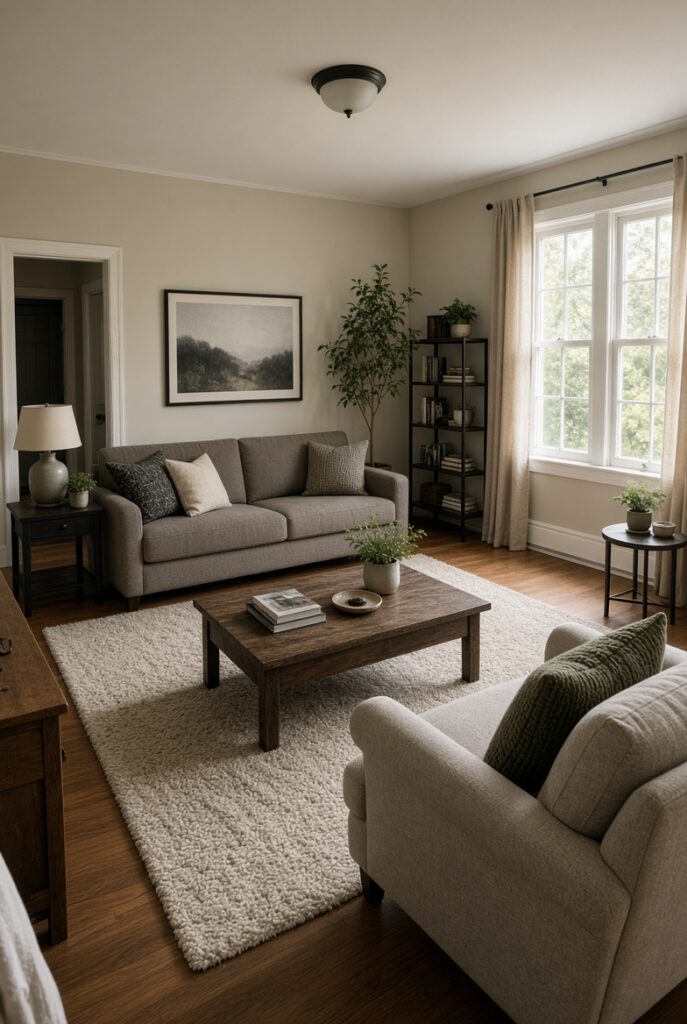
Hey friends! Some rooms just feel right the moment you walk in. Others look fine in photos but feel slightly off in real life. The difference is almost always proportion — the quiet, invisible grid that governs how furniture, walls, and empty space relate to one another. In 2026, the most successful rooms aren’t the ones with the most expensive pieces; they’re the ones that respect this invisible structure. Here’s how proportion works and how to use it in your own home.
Understanding the Invisible Grid
Every room has an underlying structure created by its height, width, window placement, and architectural lines. Great design aligns furniture and objects with that structure so nothing feels too large, too small, or randomly placed. When the grid is respected, the room feels calm and coherent even if the style is simple.
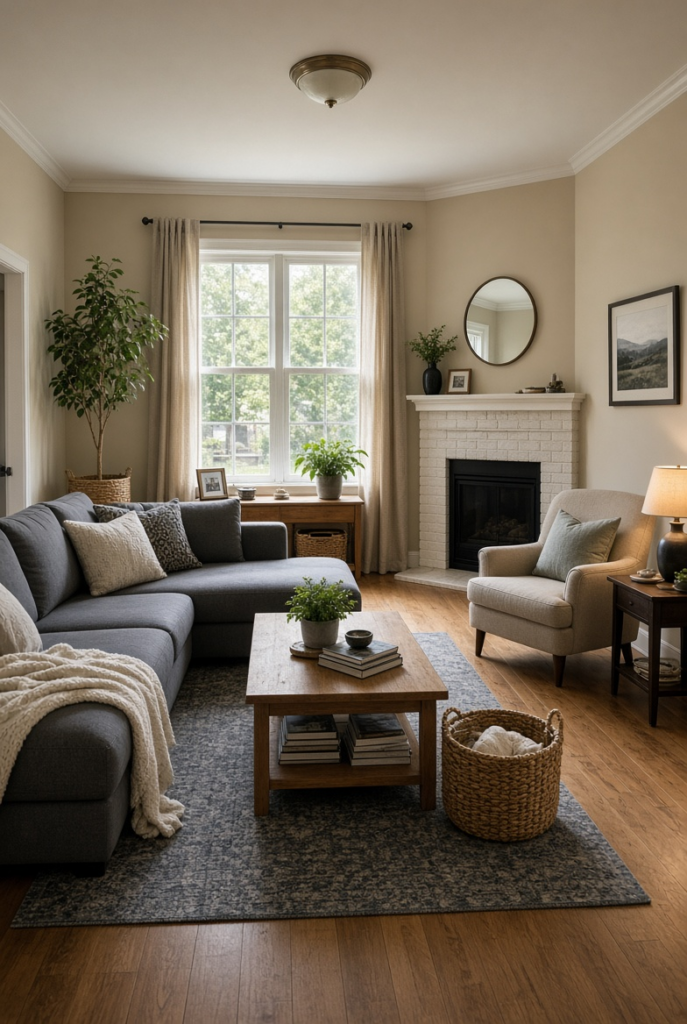
Furniture Scale Relative to the Room
A sofa that looks perfect in a showroom can overwhelm a smaller living room or look lost in a larger one. Proportion means matching the size and visual weight of pieces to the actual dimensions of the space. Low, horizontal furniture often feels better in modern rooms; taller pieces need enough ceiling height and surrounding space to breathe.
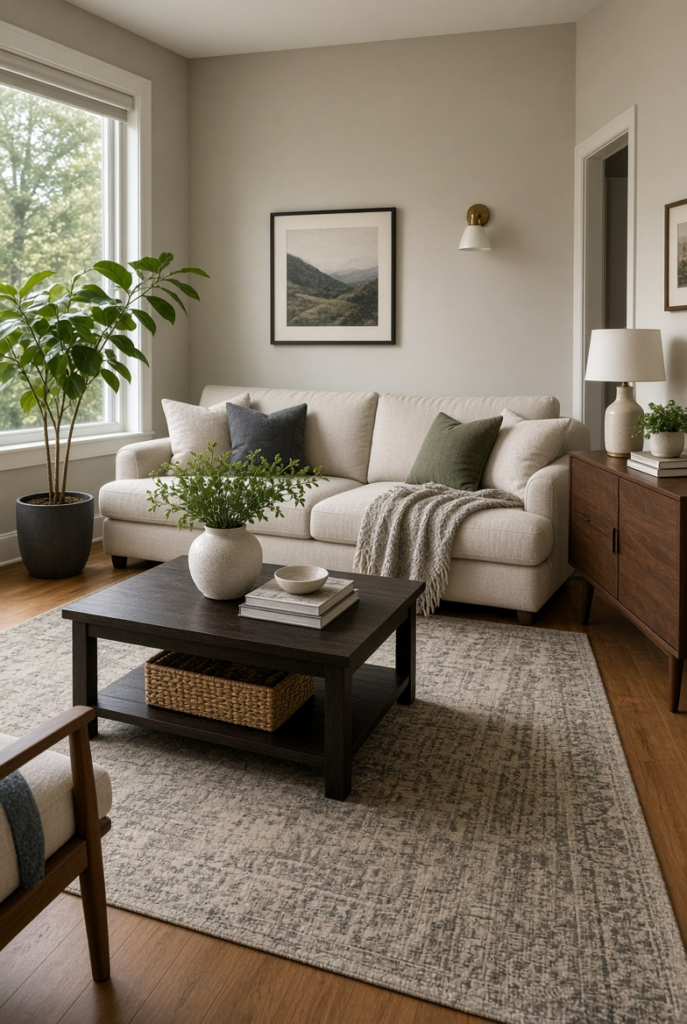
The Role of Negative Space
Empty space is part of the grid. Leaving clear areas around furniture, between pieces, and on walls prevents the room from feeling crowded or chaotic. Good proportion includes breathing room so the eye can move comfortably and the furniture can stand out rather than compete.
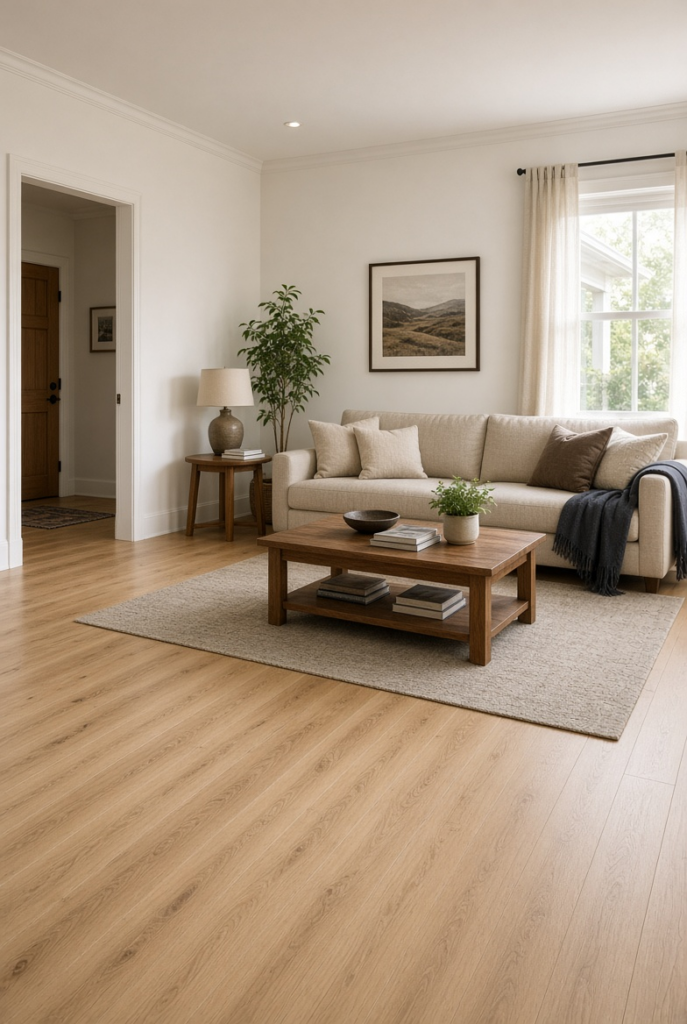
Balancing Heights and Visual Weight
Proportion also lives in the vertical plane. Mixing low seating with a taller bookcase or artwork, or balancing a heavy sideboard with lighter chairs, keeps the room from feeling top-heavy or bottom-heavy. The goal is a gentle rhythm of heights that feels natural rather than forced.
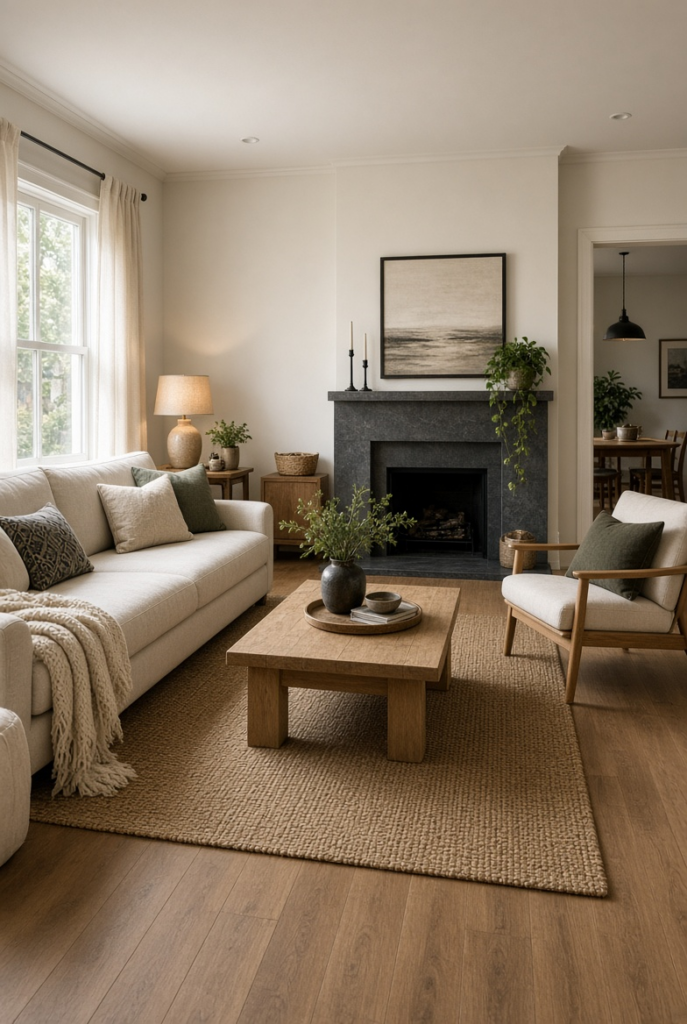
Checking Proportion in Real Life
Stand in the doorway and look at the room as a whole. Does any piece dominate unfairly? Is there enough space to walk comfortably? Do the heights feel varied but related? Taking a photo or even sketching a rough floor plan can reveal imbalances that are hard to notice when you’re inside the space every day. Small adjustments — shifting a chair, removing one object, or raising a lamp — often restore the grid.
Proportion is the invisible framework that makes a room feel settled and right. Once you start noticing it, you can stop chasing more furniture and start refining what you already have. In 2026, that quiet attention to scale and relationship is one of the most valuable design skills we can practice.
Have you ever walked into a room and immediately felt the proportions were off — or perfectly right? What’s one piece in your home that finally found its correct scale? Share in the comments!
With balanced space and quieter rooms, friends! 📐