
By Vincent Van Duysen, The Quiet Minimalist
Witty, irreverent, fun. He makes you laugh while making you think about your lamp.
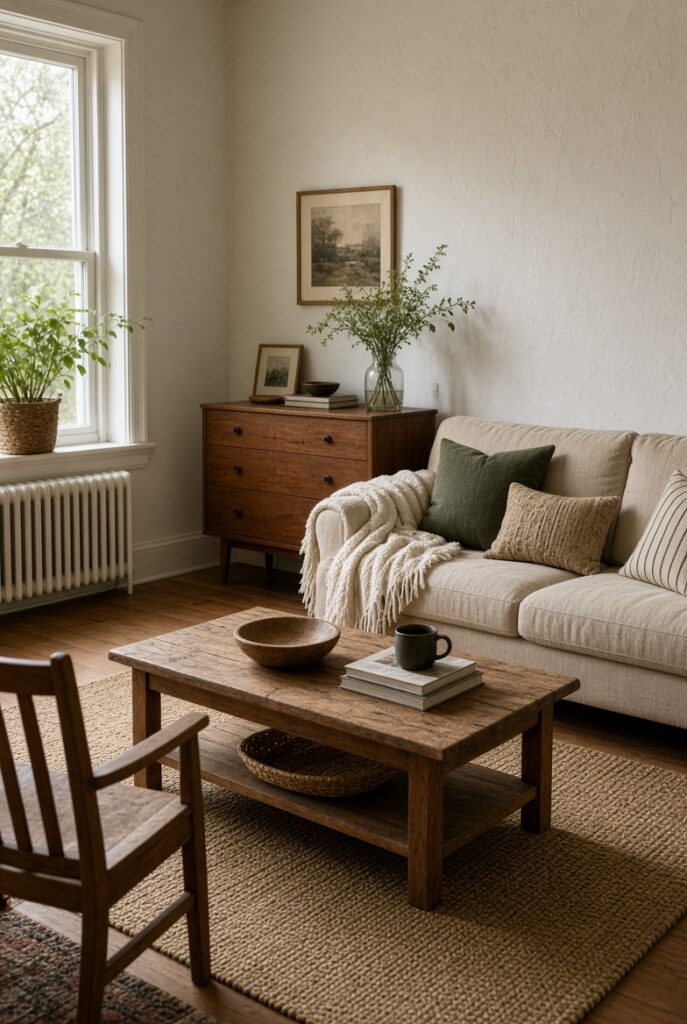
Hey friends! For a while it felt like white walls had been cancelled — too cold, too sterile, too 2010s. But in 2026 they’re quietly coming back, softer and smarter than before. The new white isn’t about blank perfection. It’s warmer, more textured, and designed to work with real life instead of against it. Here’s how white walls are evolving and why they still deserve a place in our homes.
Soft Whites Have Replaced Stark Ones
The pure, cool whites of the past are giving way to warmer, creamier, and slightly off-white tones. These softer whites feel more inviting and change beautifully with the light throughout the day. They still give the clean backdrop we love, but without the clinical edge.
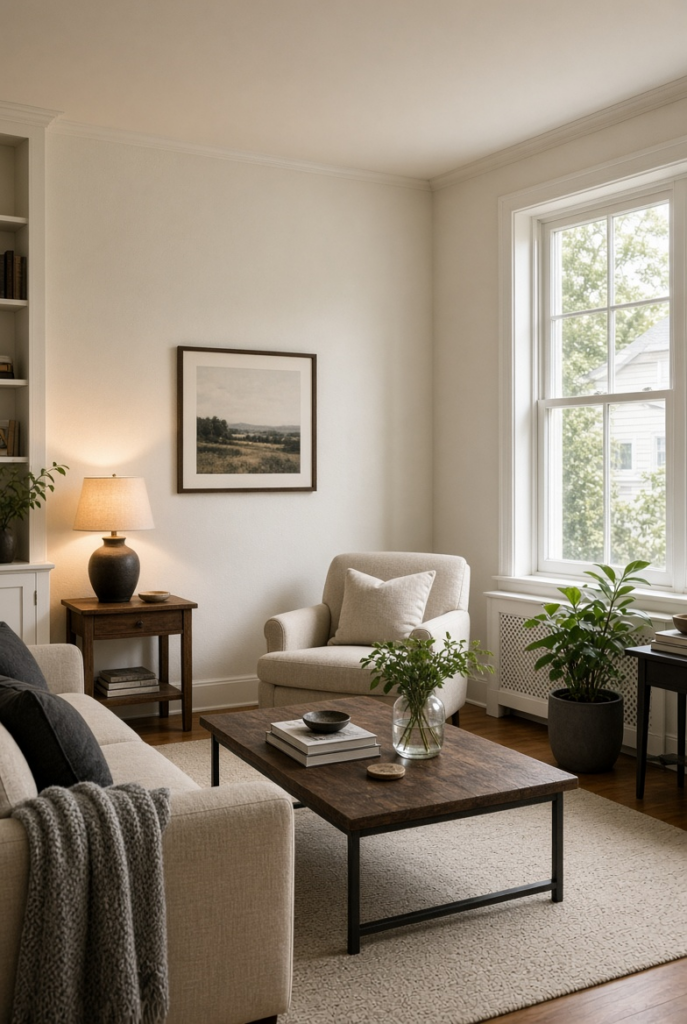
Texture Makes White Feel Alive
Smooth, flat white can still feel empty. The evolving version leans into subtle texture — limewash, soft plaster, or even a very fine brush finish. These surfaces catch light and create gentle movement, so the walls themselves become interesting without needing bold color or pattern.
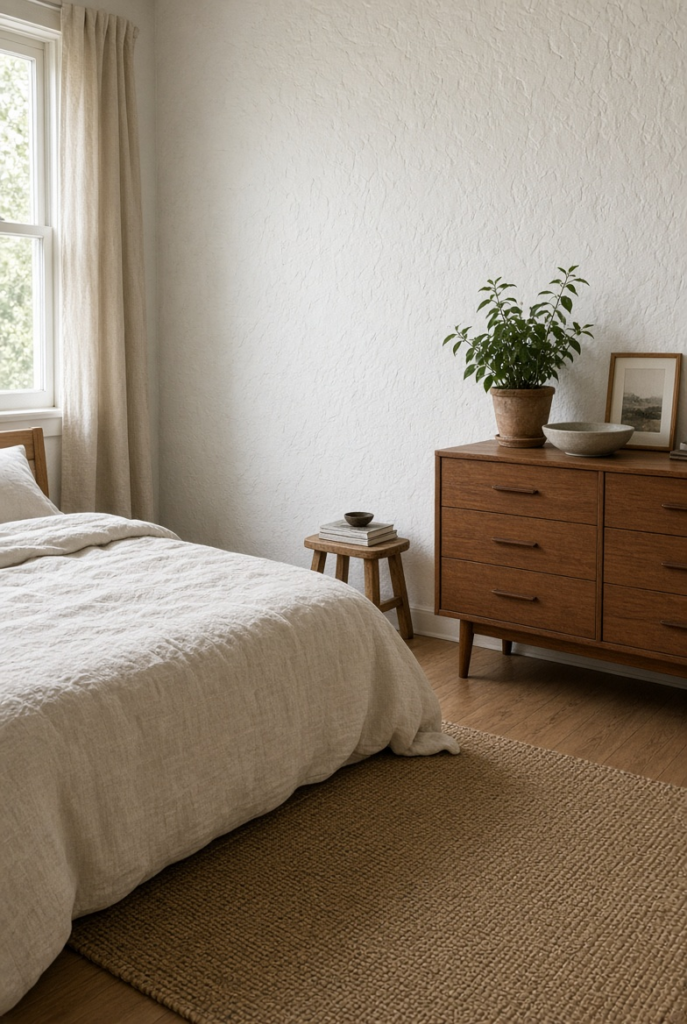
White Works Best as a Backdrop for Real Materials
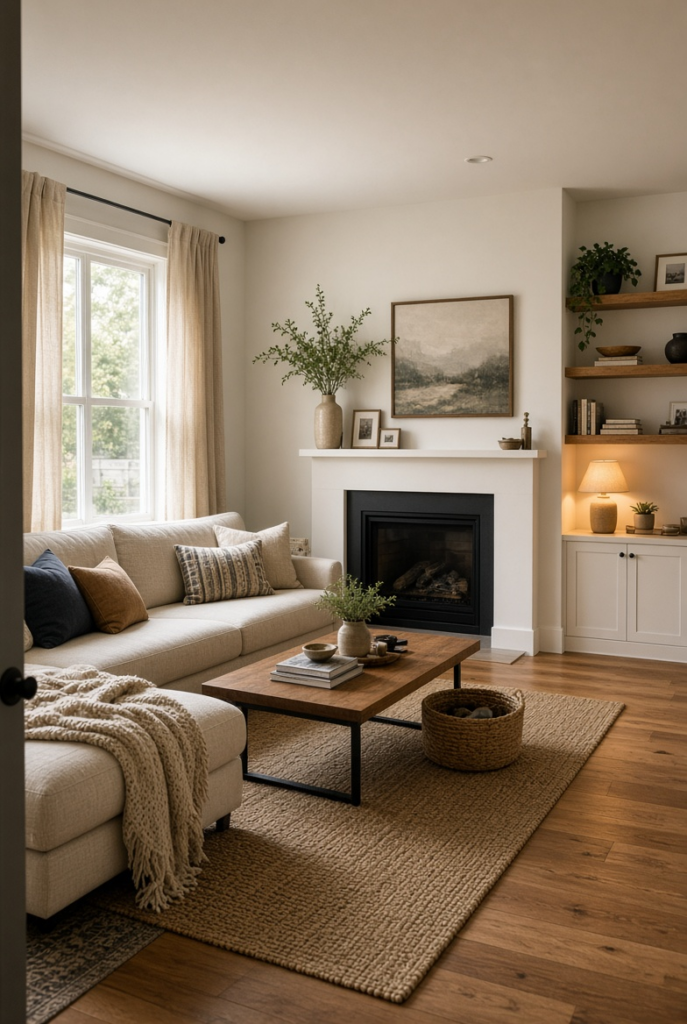
When white walls are paired with honest materials — oak, linen, stone, wool — the combination feels grounded and current. The white doesn’t dominate; it simply lets the wood grain, fabric weave, and stone texture stand out. This is where the new white walls feel most successful.
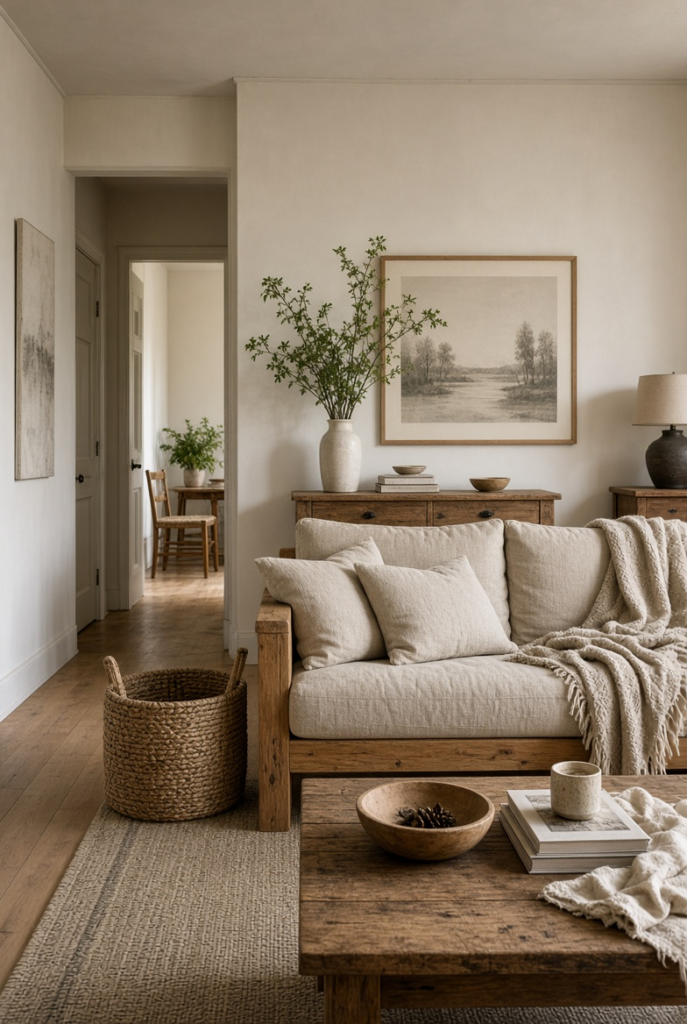
Light Turns White Walls into a Living Surface
The same white wall can look completely different at 9 a.m. and 5 p.m. Soft morning light, warm afternoon glow, and evening lamp light all play across it. In 2026 we’re designing white rooms with this in mind — placing furniture and windows so the light can do its quiet work.
White Walls Still Give Us Breathing Room
In a world that feels visually crowded, a soft white backdrop continues to offer calm. It makes small rooms feel larger, lets personal objects stand out, and creates a sense of quiet that many of us still need. The difference is that today’s white walls are warmer, more tactile, and designed to feel lived-in rather than staged.
White walls were never really dead — they just needed to grow up. Softer tones, gentle texture, and a better relationship with light and materials have given them a second life. In 2026, that quieter, more human version of white feels exactly right.
Are you still drawn to white walls, or have you moved on to deeper colors? How are you making white feel warmer in your own home? I’d love to hear in the comments!
With soft light and quieter walls, friends! 🤍