
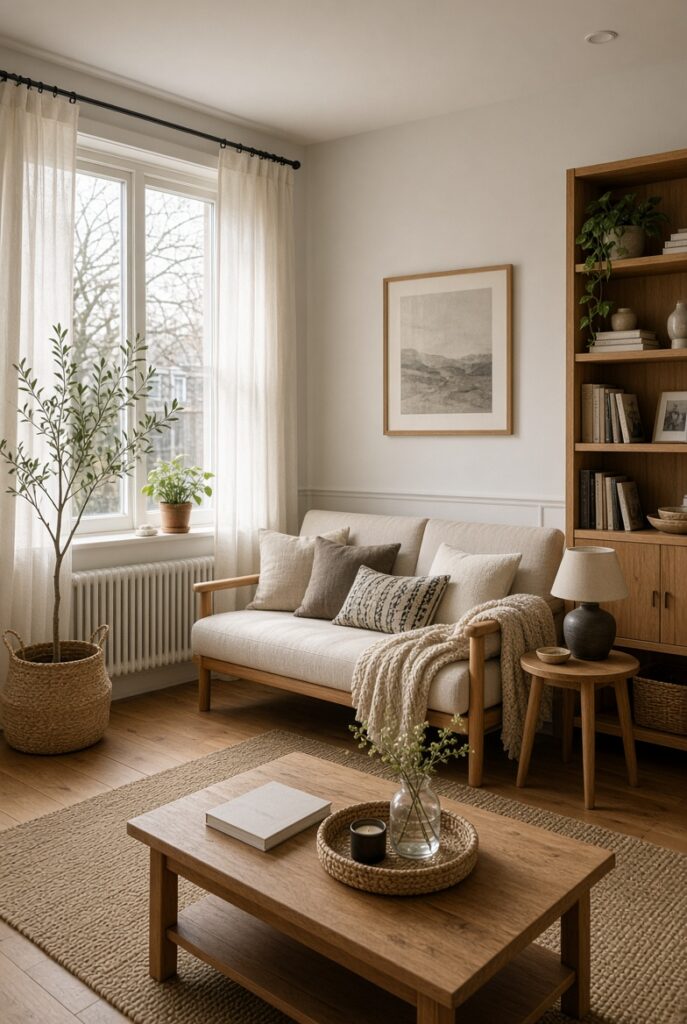
By Vincent Van Duysen, The Quiet Minimalist
Witty, irreverent, fun. He makes you laugh while making you think about your lamp.
Hey friends! Scandinavian design is often pictured as pale wood, white walls, and sparse rooms — but its real power lies in a handful of simple principles that work far beyond Nordic homes. Function, natural materials, light, and quiet comfort can improve almost any style, from modern farmhouse to classic or even softly maximalist spaces. In 2026, these ideas feel more useful than ever.
Here’s how to borrow Scandinavian thinking without turning your home into a copy of a Stockholm apartment.
Prioritize Function Over Pure Decoration
Scandinavian design starts with how a room is actually used. Furniture is chosen because it works well and feels good every day, not just because it looks interesting. This principle improves any style: keep the pieces that serve real life and let the rest support them.
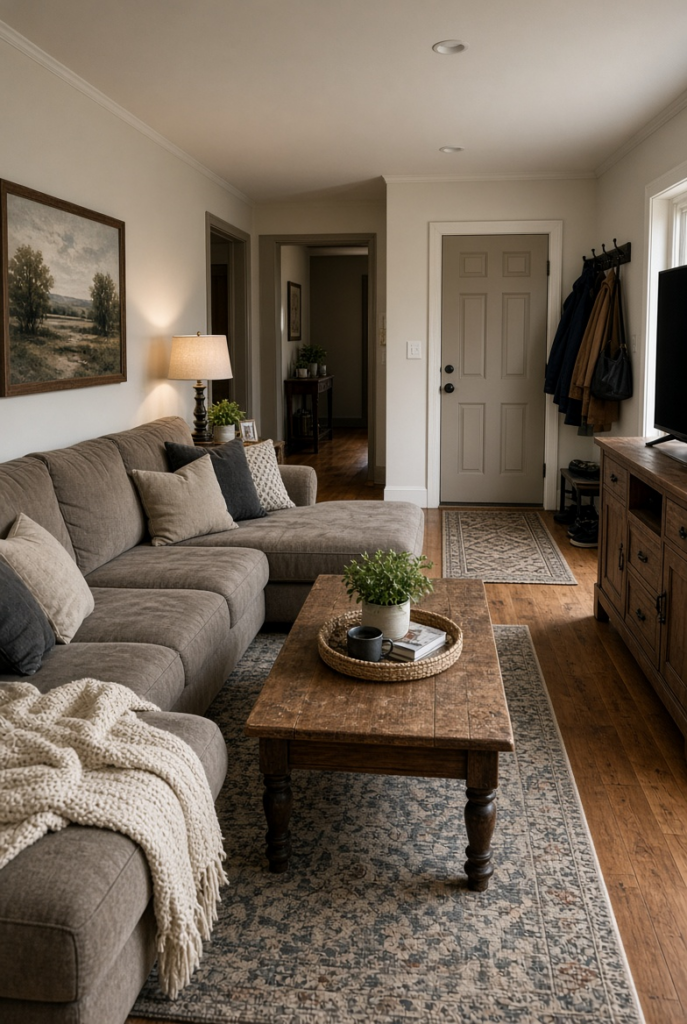
Let Natural Materials and Light Lead
Light wood, linen, wool, and stone appear again and again in Scandinavian rooms because they age well and respond beautifully to daylight. You can bring the same materials into a darker or more traditional space and immediately soften the atmosphere without changing the overall style.
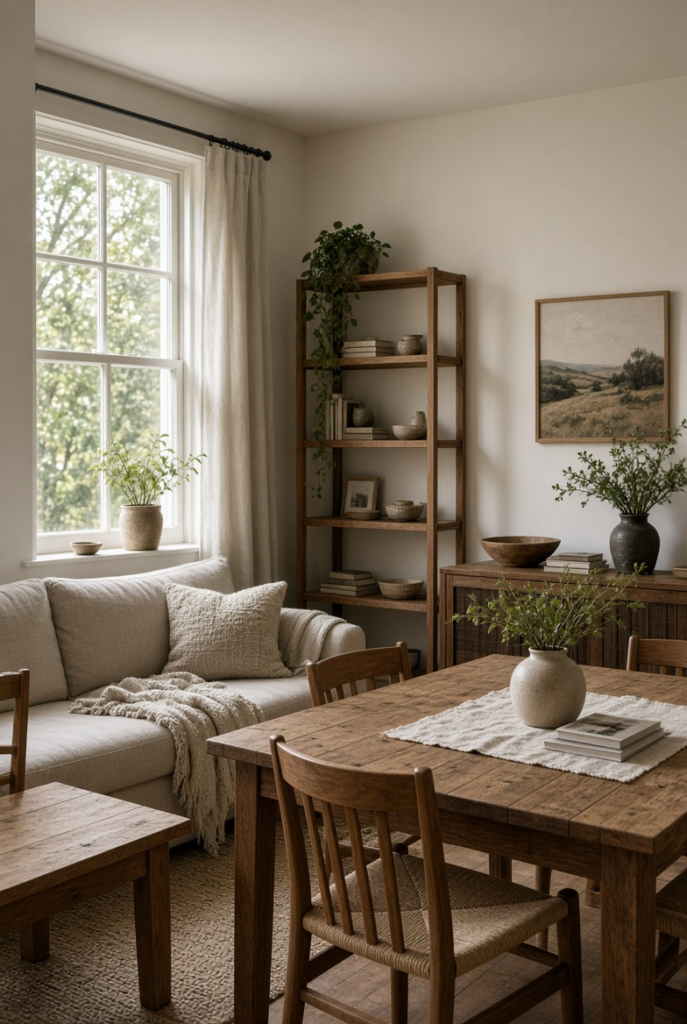
Edit So the Good Pieces Can Breathe
Scandinavian rooms leave space around objects. That same editing works in more layered homes: clear a few surfaces, give key pieces room, and the whole room feels calmer and more intentional — even if you keep plenty of personality.
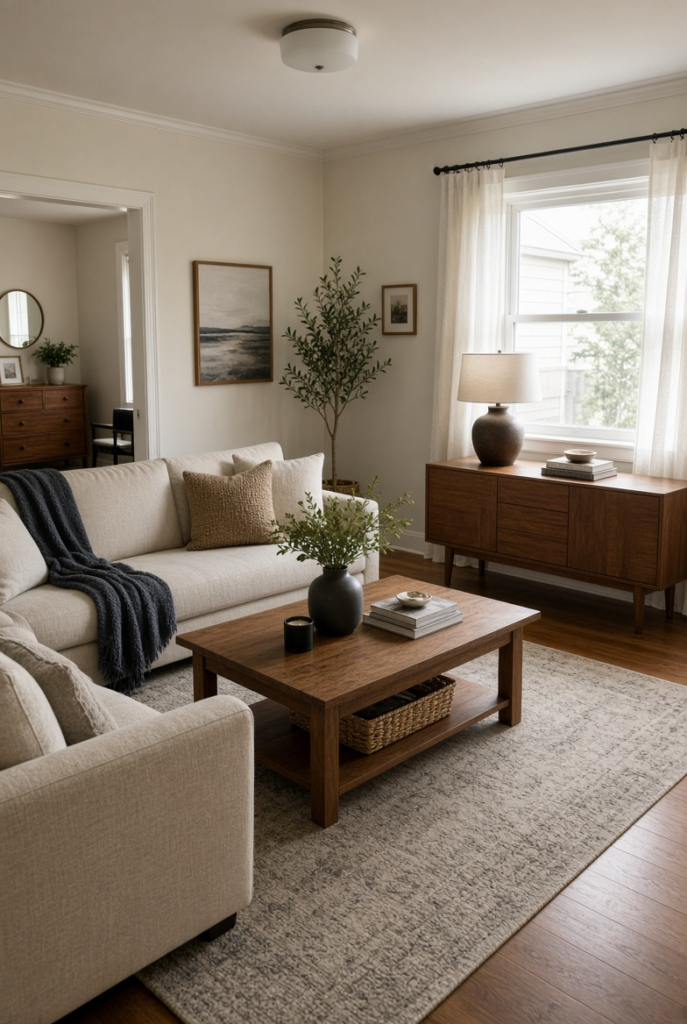
Choose Quality That Will Last
Rather than frequent updates, Scandinavian design favors fewer, better pieces that hold up over years. Applying this idea means investing in solid frames, honest materials, and comfortable proportions no matter what overall style you prefer.
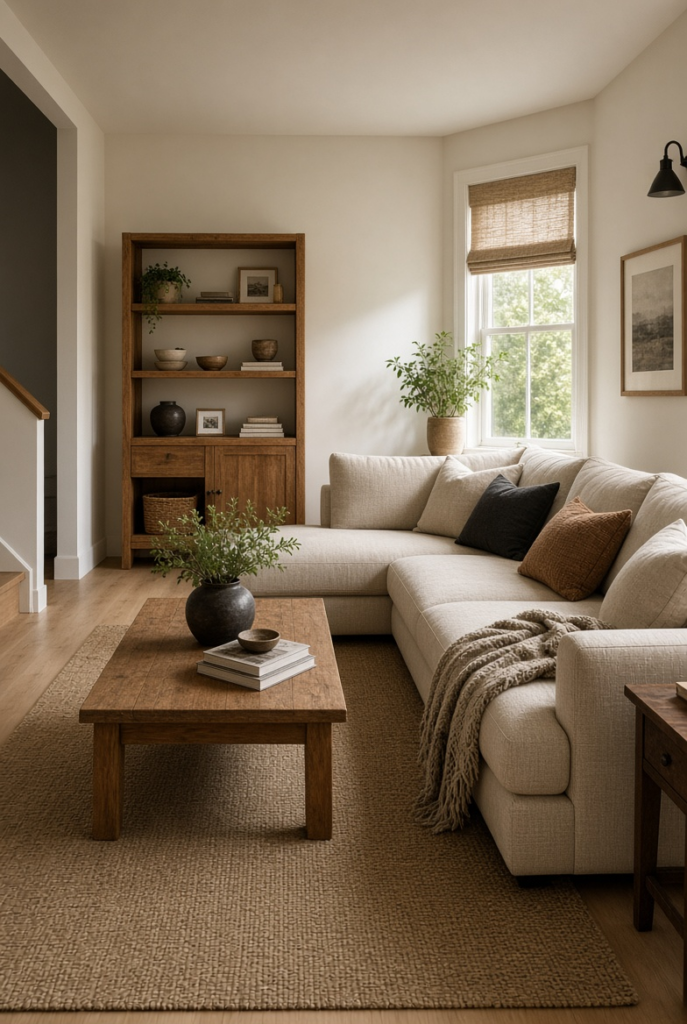
Keep the Human Comfort (the Hygge Part)
Even the simplest Scandinavian room includes soft textiles, warm light, and places to settle in. That sense of everyday coziness translates to any style — a good throw, a comfortable chair by the window, or a lamp that makes evenings feel inviting.
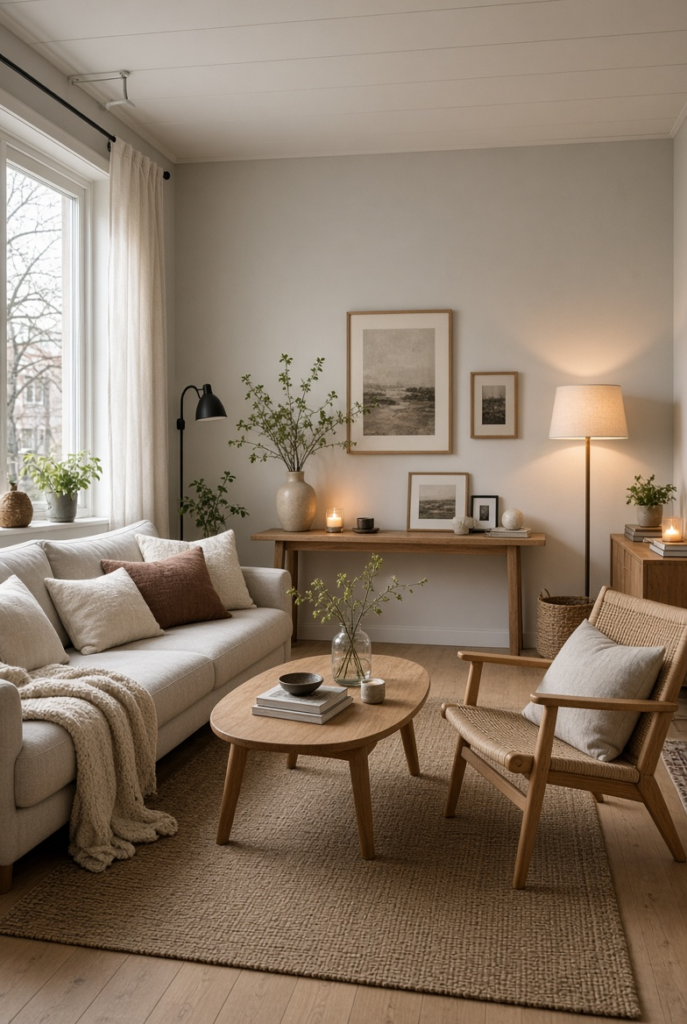
Scandinavian design principles are less about a look and more about a way of thinking: make it useful, keep it honest, leave some space, and make sure it still feels good to live in. Those ideas travel well into almost any home.
Which Scandinavian principle feels most useful in your own space right now? I’d love to hear in the comments!
With clarity and everyday comfort, friends! 🌿