By Vincent Van Duysen, The Quiet Minimalist
Witty, irreverent, fun. He makes you laugh while making you think about your lamp.
Hey friends! We’ve all felt the pull of the next new thing — a trend, a sale, a piece that promises to fix the room. But in 2026, more of us are stepping off that cycle. Slow design is the quiet shift toward buying less, choosing better, and letting our homes grow with intention instead of constant updates. It feels calmer, more personal, and surprisingly freeing.
Here’s why buying less and better is becoming the smarter (and more beautiful) way to live.
Less Clutter, More Clarity
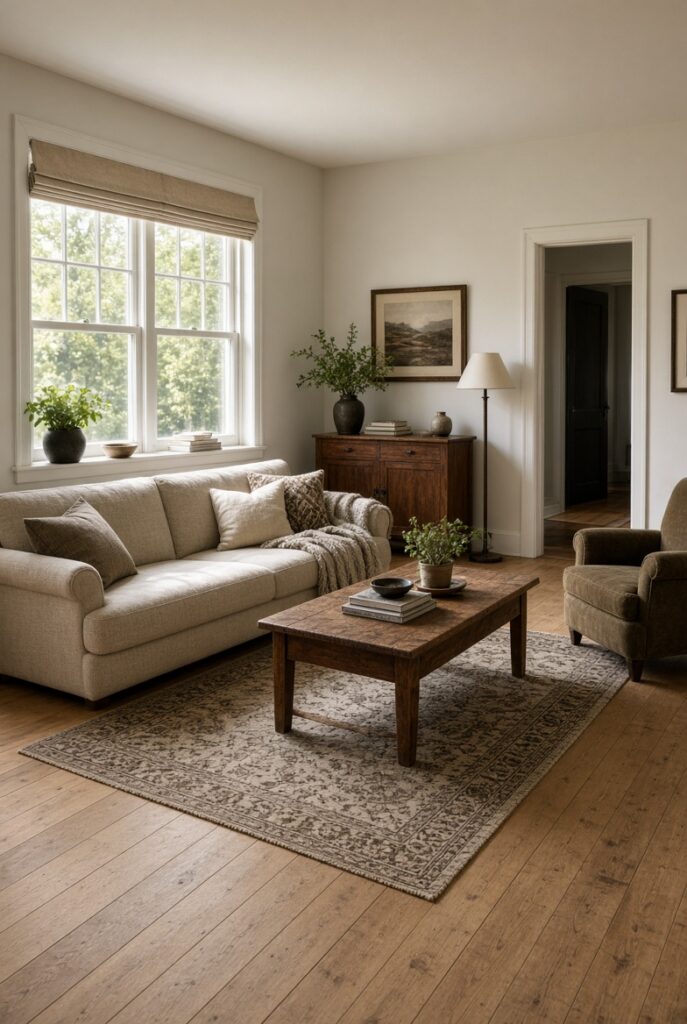
When we stop filling every corner, the pieces we already own start to matter more. Surfaces stay clearer, rooms feel larger, and daily life becomes easier. Slow design isn’t about emptiness for its own sake — it’s about removing the visual and mental noise so the home can support us instead of demand constant attention.
Better Materials, Better Years
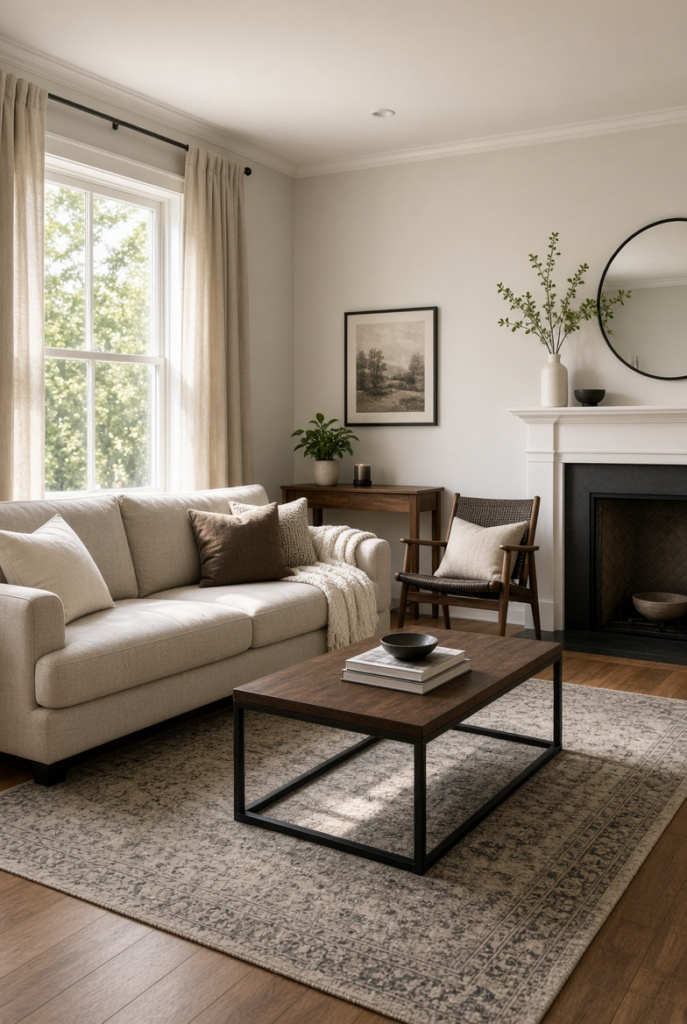
Choosing well-made pieces in honest materials — solid wood, natural linen, good stone, solid construction — means they age with you instead of falling apart or going out of style. A single solid oak table or a well-upholstered sofa can serve for decades. The investment feels different when you know it will still look and feel good years from now.
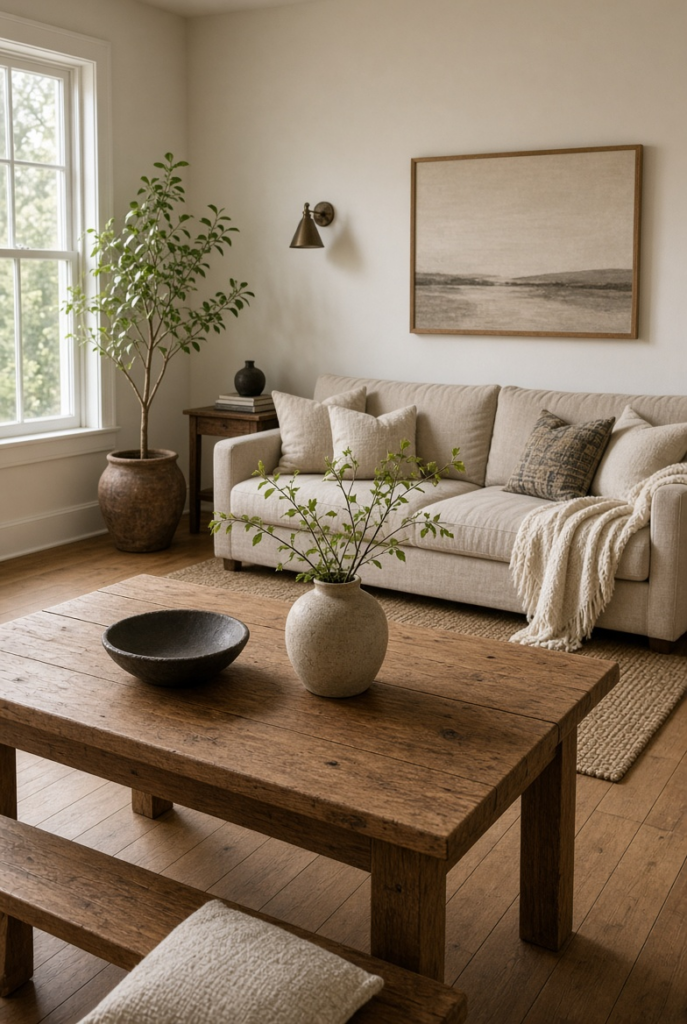
Decision Fatigue Disappears
Fewer purchases mean fewer choices and less second-guessing. When you buy only what truly fits your life and your space, the constant low-level pressure of “what’s next” fades. The home becomes a steady backdrop rather than an ongoing project.
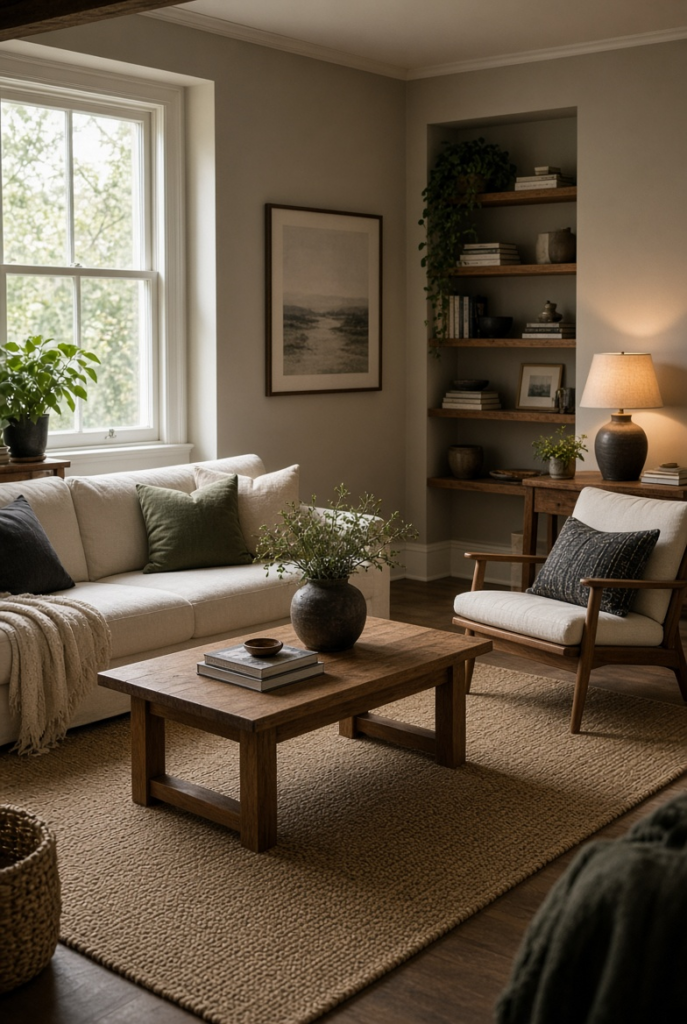
Rooms That Feel Personal, Not Temporary
Slow design leaves room for the things that actually matter — a favorite chair, a meaningful object, the light at a certain time of day. Because you’re not constantly replacing, the space develops a quiet history. It starts to feel like it belongs to you rather than to the latest trend cycle.
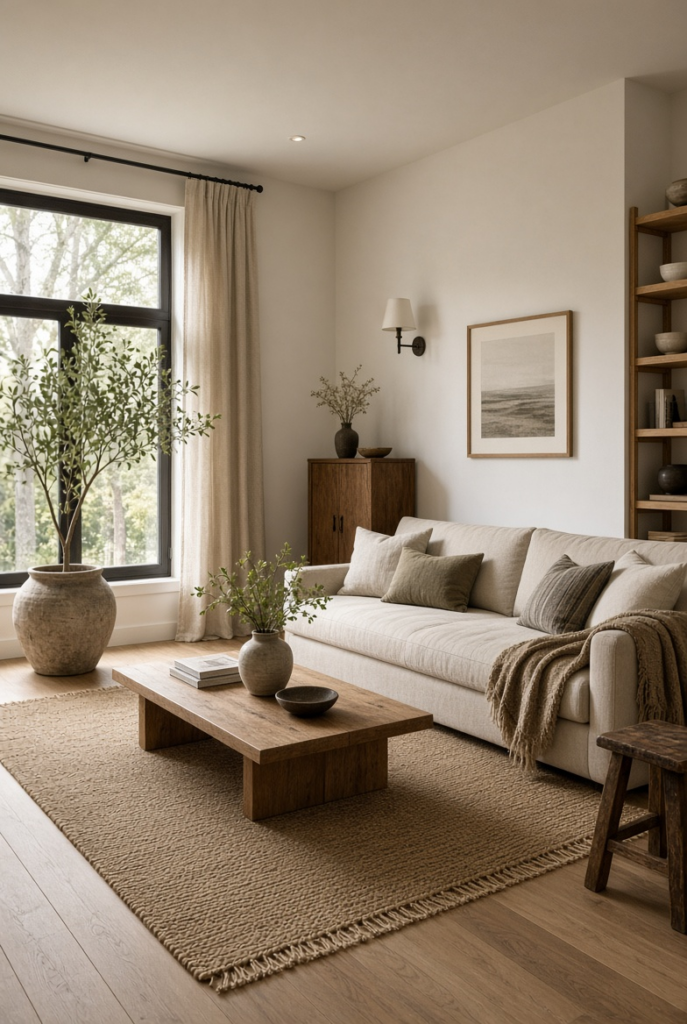
The Future Looks Quieter (and Better)
Buying less and better isn’t a restriction — it’s a relief. Homes designed this way tend to feel more restful, more durable, and more like real places to live. In 2026, that kind of quiet confidence is looking like the most modern choice of all.
Slow design asks us to pause, choose carefully, and then enjoy what we have. The result is a home that supports a slower, more grounded life — and that feels like the future worth designing for.
Are you already practicing any version of slow design, or is this something you’re ready to try? What’s one piece you’ve kept (or want to keep) for the long haul? Share in the comments!
With less and better, friends! 🌿